

Monken Toyota of Mt. Vernon

Blog / vehicle service

Blog

All vehicle service Mt.Vernon Toyota Dealer Automobiles buying a new vehicle Service Chrysler Community first time buyer Monken Family Safety 2026 Model Year Dealership new car Nissan 2026 Toyota Crown Car Care Checklist Chevrolet Family General Motors Hybrid Jeep Maintenance Spring vehicle insurance 2025 Toyota Corolla 2025 Toyota GR Supra 2025 Toyota Land Cruiser 2025 Toyota Prius Plug-in Hybrid 2025 Toyota RAV4 Plug-in Hybrid 2025 Toyota Sequoia 2026 Toyota Camry 2026 Toyota Corolla Cross Apps breathe easier buying on-line car filter CVT Fall female buyer Land Cruiser Lease May Fete Mt.Vernon Toyota Service Pets Storms SUV Things to do in Mt Vernon trade vehicle Transmission Traveling Vehicle websites windshield wipers wiper blades
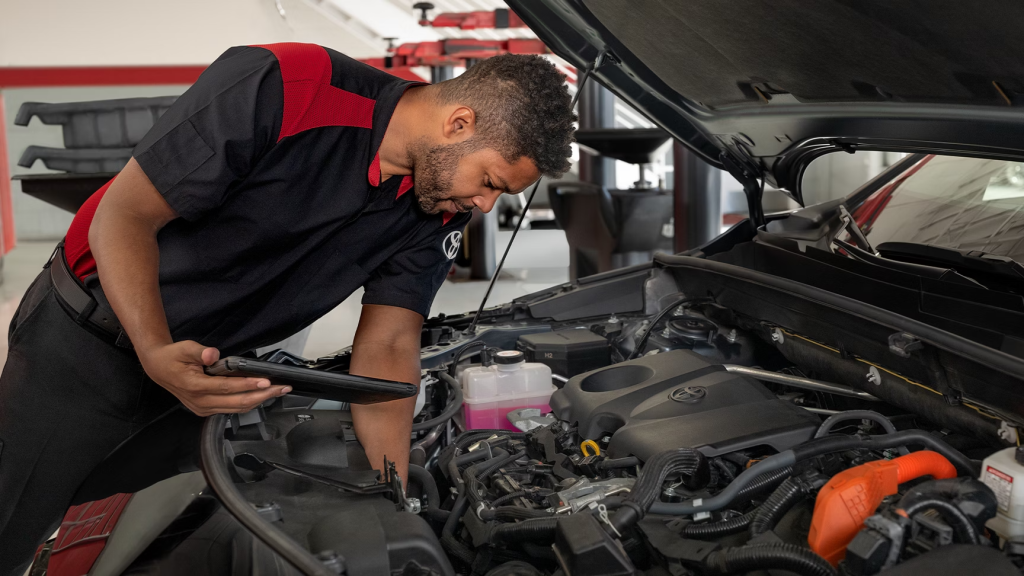
Summer Road Trip Prep - Toyota Technician checking under the hood of a Toyota

Summer Road Trip Prep for Your Toyota

As summer rolls in, it’s the perfect time to get your Toyota ready for long drives and open roads. Whether you’re heading to scenic parks or planning a coastal getaway, summer road trip prep is key. At Monken Toyota Mt. Vernon, we help Toyota owners get road-ready with smart, seasonal care. Proper summer maintenance can save time, reduce costs, and keep your adventures running smoothly. From tire checks to fluid levels, every detail matters for a worry-free trip. If you’re planning to take your Toyota on the road, now’s the time to prepare. more Check Your Tires and Pressure Hot pavement and worn-out tires don’t mix. Before you leave, inspect your tire tread depth and look for uneven wear. Proper inflation is also critical—too low and you risk a blowout, too high and traction suffers. Your Toyota’s recommended tire pressure can be found in the driver-side door jamb. Don’t forget to inspect your spare, too. Consider rotating your tires or having them aligned for better fuel efficiency and longer tread life. Test Your Battery’s Strength Rising temperatures can speed up battery corrosion and shorten battery life. If your Toyota is more than three years old, test the battery before your road trip. Look for signs of wear, such as slow engine crank or dimming lights. At Monken Toyota Mt. Vernon, our trained technicians can test your battery and install a new one if needed. A quick check now could prevent a roadside breakdown later. Inspect Brakes and Brake Fluid You’ll want confidence in your stopping power while driving through hilly terrain or heavy traffic. Listen for squeaking, grinding, or a soft brake pedal—these are early warnings. Make sure your brake fluid is topped off and not contaminated. Clean fluid keeps the braking system responsive and reliable. Coolant and AC Check Your Toyota’s engine needs coolant to handle the summer heat. If your coolant level is low or the fluid is dirty, your engine may overheat. A quick top-off or a full flush could save your trip. Don’t forget your air conditioning. Test it on a hot day before hitting the road. If it's not blowing cold air, it might need a recharge or filter replacement. Lights, Wipers, and Emergency Kit Inspect all exterior lights, including brake lights and blinkers. Replace burnt-out bulbs before your journey. Check your wiper blades for cracks and streaks—they tend to dry out faster in hot weather. Always pack an emergency kit. Include jumper cables, water, a flashlight, and basic tools. Final Prep at Monken Toyota Mt. Vernon Before you head out, visit Monken Toyota Mt. Vernon for a multi-point inspection. Our team is ready to help you with your Toyota for any summer road trip prep. We check tires, fluids, batteries, and more so you can drive with peace of mind. Whether you're traveling across Illinois or further west, make sure your Toyota is road-trip ready. Use the summer season to explore with confidence and keep your Toyota running strong all season long.
Spring

Spring Vehicle Maintenance Checklist

Now that winter is behind us and spring has decided to make an appearance, it’s time to start thinking about spring cleaning – for your vehicle! Winters can be harsh on your car, which makes spring the perfect time to do some good maintenance and a deep clean. Oil Change. A good rule of thumb is to get an oil change approximately every 5000 miles.  It’s an easy and inexpensive part of your vehicle maintenance and it really helps extend the efficiency and reliability of your vehicle. A GOOD Car Wash – Inside and Out. More than just the aesthetic of having a clean car, giving your vehicle a good wash at the start of spring is a step toward maintaining the overall health of your car. Road salt left on the exterior for too long can deplete the color and corrode the metal. (And spring rain showers are not enough to rinse off all that winter grime). Don’t forget the wash the undercarriage as well – this is where a lot of the road salt tends to sit and cause problems. Don’t forget about the interior.  Winter tends to encourage a trash buildup in the doors, nooks and crannies of vehicles. Take 20 minutes after your car wash and vacuum out the entire inside. Replace Wiper Blades. Winter can be very harsh on wiper blades and small tears and cracks can appear without you being able to see them. With the onslaught of spring showers, you want to make sure that your wiper blades are up to snuff. Check Tire Pressure and Alignment. Your tires are literally the cushion between you and the road, so it’s especially important to take care of them. We recommend checking your tire pressure monthly. Most newer vehicles will send you an alert when one or more tires has fallen below the recommended level. Check the tread for wear and tear. Roads can be very slippery during spring rain storms, so you want to make sure you’re able to stop without sliding. You’ll want to rotate and align them in the spring as well. Change Air Filters. You may not be using that AC just yet, but before it becomes an absolute necessity, make sure that your air filters are unclogged and replace them if necessary. Review Your Insurance Policy. This is one of the vehicle maintenance items that people always forget about. Oftentimes, your agent will proactively reach out to you every so often, but if they don’t, spring is a good time to be proactive about it yourself. Are you in the most efficient policy for your family? Will you be adding a new teen driver to your policy soon? Call your agent and find out if there are any deals or discounts that you can get as well.

Copy of Copy of Safety Tips for Summer Storms

Understanding Vehicle Warranties

Warranties are for new cars.  Service contracts are when the factory warranty expires, and a customer purchases an additional warranty for their vehicle. Here are some warranty details we found on CarsDirect. Extended Factory Warranty Tips All new cars and trucks come with a factory warranty.  Moreover, all new vehicles will generally come with a bumper-to-bumper warranty that lasts a minimum of 12 months or 12,000 miles. However, most manufacturers now offer bumper-to-bumper warranties that last for a minimum of three years or 36,000 miles—whichever comes first. Federal laws do make certain requirements that must be met for new car warranties regarding emissions systems and the warranties that cover them. According to federal law, vehicles must provide warranty coverage for the emission system for a period of five years or 50,000 miles. Warranty information for your vehicle will generally be listed in a manual type book similar in appearance to your owner's manual. While all warranty manuals may appear similar in appearance, the warranty information contained inside may vary considerably depending upon the manufacturer. Basic New Car Warranty Information With all new car warranties, most major systems and subsystems of a vehicle are covered for a specific period of time and provide warranty protection against malfunction or defect for most parts on a new car. However, consumable parts, or parts that generally need to be replaced periodically, such as windshield wipers, fluids, belts, and accessories are generally not covered under any manufacturer's new car warranty. So, you should check your owner's manual for specific warranty information for your vehicle. In some cases, tires on your vehicle and car battery may be covered but, you should be aware that some manufacturers may not. Also, different car manufacturers provide various levels of warranty coverage for accessories, like air-conditioning, sunroofs, premium sound systems and other options. Some manufacturers include them for coverage under the terms of the new warranty while some require you pay for replacement parts while the manufacturer pays for labor. Almost all new car warranties cover the drive train, or engine, driveline and transmission. New Car Warranty and Emissions When reviewing your new car warranty, you should pay particular attention to the emissions control section. This is the part that guarantees emissions performance for your vehicle. An important note, because many states have minimum requirements for pollution control and carbon emissions released from your vehicle. If your vehicle fails to meet the standards of your state, you may be prevented from driving on state roads and highways. Also, repairing a damaged or defective emission control system can turn out to be very costly. So, you should always check to see if there is coverage. If you feel the warranty protection is inadequate, you might want to consider purchasing an extended warranty or mechanical breakdown policy to supplement your new car warranty. Maintaining Your New Car Warranty While all new cars and trucks come with a manufacturer's warranty, you are required to perform certain steps in order to make sure your coverage remains in effect. For example, you will need to make sure you follow the manufacturer's directions for having oil changes and routine maintenance performed. If you fail to follow the manufacturer's guidelines for changing your oil or performing routine maintenance, the car manufacturer will many times simply choose to void your warranty. Under the terms of your current warranty contract agreement, the manufacturer has the right to cancel your warranty if you do not reasonably take good care of your vehicle.

Contact Us

Fill out this form below and we'll contact you shortly
*Required Fields