

Monken Toyota of Mt. Vernon

Blog / buying a new vehicle

Blog

All buying a new vehicle Mt.Vernon Toyota Dealer Automobiles Service Chrysler Community first time buyer Monken Family Safety 2026 Model Year Dealership new car Nissan vehicle service 2026 Toyota Crown Car Care Checklist Chevrolet Family General Motors Hybrid Jeep Maintenance Spring vehicle insurance 2025 Toyota Corolla 2025 Toyota GR Supra 2025 Toyota Land Cruiser 2025 Toyota Prius Plug-in Hybrid 2025 Toyota RAV4 Plug-in Hybrid 2025 Toyota Sequoia 2026 Toyota Camry 2026 Toyota Corolla Cross Apps breathe easier buying on-line car filter CVT Fall female buyer Land Cruiser Lease May Fete Mt.Vernon Toyota Service Pets Storms SUV Things to do in Mt Vernon trade vehicle Transmission Traveling Vehicle websites windshield wipers wiper blades
2025 Toyota Corolla Cross

5 Benefits of Leasing a 2025 Toyota

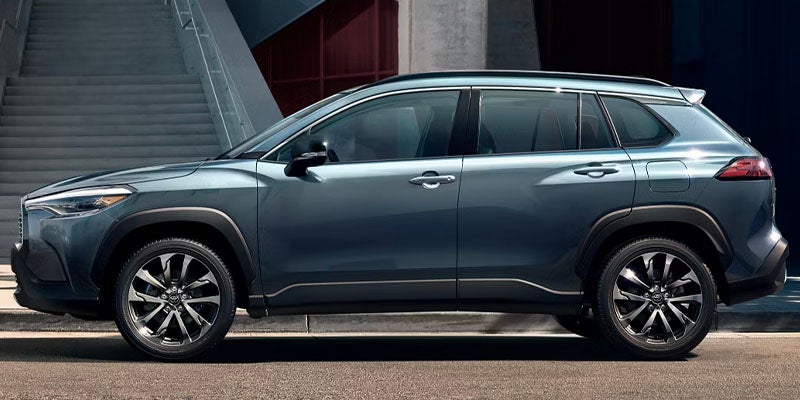
2025 Toyota Corolla Cross. If it's time for a new car, you may want to lease instead of buy. This means you make payments on the car while you use it and return it to the dealer when the lease is up. Here are five benefits of leasing a 2025 Toyota. more 5 Leasing Benefits with a Toyota Dealership 1. Potential for Lower Payments Depending on the kind of car you choose and the length of your lease, you may be able to secure a lower monthly payment than with a traditional vehicle purchase. This is a great option for people who want to drive a new car every few years but don't want to incur the high cost of financing. 2. Access to Higher-Value Vehicles Lessees can also select a higher-value car for around the same price as an older vehicle would cost with an auto loan. These models are generally new, without mechanical issues that are expected to crop up in the next year or two. They also tend to have the latest comfort, safety, and driver assistance features. 3. No Expensive Repairs Because you're leasing a newer vehicle, the chance of needing a major repair is very low. Leased vehicles are usually still under the manufacturer's warranty too, so if there is any work that needs to be done, it's unlikely to come out of your pocket. 4. Protection Against Depreciation Unlike houses that appreciate in value over time, cars depreciate as soon as you drive them off the lot. When you own a vehicle, you absorb this loss over time in the form of reduced market value. Unfortunately, it will always sell for less than you bought it for. How much depends largely on the make, model, year, and condition of the car. With leasing, you're only paying for the cost to drive the car for a period of time, instead of the full price of the vehicle itself. The car gets returned when your lease is over, with no depreciation on your end. 5. You Don't Have to Worry About Selling Your Car Later Selling a used car can be frustrating. There's the hassle of having your car detailed, putting up listings online or in your local newspaper, and negotiating with buyers, when all you want to do is just get behind the wheel of a new vehicle. A lease lets you do this easily, without the stress of being responsible for your own sale. Are you thinking about leasing a 2025 Toyota? Contact us at Monken Toyota, or come visit us to take one for a test drive today.
5-questions-to-ask-yourself-before-buying-a-car

5 Questions To Ask Yourself Before Buying A Car

5 Questions To Ask Yourself Before Buying A Car Buying a car is a really big decision and can be really stressful. It’s typically a decision you never want to rush into. It’s worth taking some time to work through a few questions before investing in a big purchase like a car. We know buying a car is not something you do frequently, so we want to help ensure customers feel comfortable and confident in their new investment. In order to help, we’ve compiled a list of the top five questions to ask yourself before buying a car. Should I buy new or used? This is probably the top question you should ask because it could be the difference of a few thousand dollars in your final total. Did you know there’s a $15,000 average price difference between a new and used car. If you are on a tight budget, used is the way to go because it will likely still have a full warranty and probably everything you need minus the new car scent. If you have no budget and are planning for your dream car, then buying new is probably for you. How are you going to use it? If you have a large family, then you’ll want several seats, extra space, and maybe even built in dvd players. If you need to tow a trailer every week then you’re going to need to find a vehicle with a tow rating and payload best for whatever you plan to haul. These little factors are going to determine a lot with what vehicles you should even consider. Ask yourself what life changes are you or your family likely to see soon? We won’t tell you to avoid the two-seat sports cars, but you might meet someone in a year and have a child in 4 years, lots can happen in 10 plus years. (a common lifespan of a car) Also something to keep in mind with children is how big they will be near the end of the lifespan of your car, this is often forgotten and later regretted. What are the operating costs? Many people love big SUVs or sports cars, which might be within your car buying budget, but when you discover you need to gas your car every other day, your budget might implode. If you already budget a certain amount of gas each month, then buying a car that will use a similar amount is your best option. Another option is always spending more on an economical car, because long term it will likely increase your budget. What do you like or dislike about your current car? This is a great question to ask yourself, especially since you’ve probably had your current car for a while. What made you buy the car in the first place? Do you like or dislike how it handles, safety features, gas mileage, repair costs, etc.? You know what you like and don’t like about your car, so make a list. When you decide to start the buying process bring the list with you, so we can help too! 5. Do you really need to buy a new car? People often get caught up in the idea of new, shiny things, especially cars. Look at your expenses. Are you paying more per year for car upkeep than car payments? Is your car hurting your budget? Maybe your family has outgrown the car or are you just planning ahead? Asking yourself these questions and making sure a car payment truly fits into your budget is really important. You want to be ready and prepared for a big purchase.

Blog Header

Top 3 Vehicle Factors to a Parent

Not all parents want the same type of vehicle, therefore, we researched the top 3 areas most parents value in a family vehicle. Being a parent can already be stressful enough, so here are 3 tips to help take the stress off buying one. Safety Safety is the number one feature valued by parents because they want to protect their families. Both parents usually look through many consumer reports and crash tests to see how the vehicle they are interested in will perform in an accident. Other important safety features to them include airbag locations, child safety locks and latches for child car seats. Size The size need in a vehicle depends on the size and age of the family. Car seats can take up a lot of room and really determine how much space is needed for seating. If the parents don’t have any kids in car seats, they might have sports gear and three of their kid’s friends to haul around during sports season. Whatever the reason may be, a roomy vehicle is very important to parents so their family can be comfortable when traveling. Affordability The third factor parents’ desire in a vehicle is typically its value for their family. They don’t want to break the budget when it comes to the vehicle, insurance, and gas. This factor has one of the biggest impacts on their family, especially when parenting can already be expensive. Most parents love a good deal or getting the biggest bang for their buck out of anything, including a vehicle. If you’re a parent currently searching for a vehicle perfect for your family, consider these three factors that most parents appreciate in any vehicle!

new car smell

What Exactly Is That New Car Smell?

By Rachel Swaby for Giz Explains The smell of a new car is intoxicating. It reminds us of money and shiny objects. It evokes that golden period before repeat coffee stains, moldy Tupperware, and our trunk's transformation into a Good Will depository change the way we feel about our car. But it's kind of a weird smell, right? It's so different from chocolate chip cookies or eucalyptus or whatever else we identify as pleasant. So we decided to get to the bottom of the new car smell. What  is it? The answer, according to Toyota's color and trim manager Janis Ambrose Shard, certainly leans toward a more Pavlov's dog-type reaction. We like the smell because we like the car. Unfortunately, says Shard, "The smell is mostly organic compounds in the vehicle off-gassing. Anything that is vinyl or plastic—the foam lamination on the seat surface, the plastic on the dash or on the door panel—it's the volatile organic compounds (VOCs) coming out of them that causes that smell." In other words, without the relationship to a brand new car, the smell would just, you know, smell. VOCs probably ring a bell because they're air pollutants. And they can do a number on your health. And they're everywhere. Thousands of household products-from paints to cleaning products to waxes-all emit the gasses, and they're normally found in low concentrations in indoor air. In your car, petroleum-based solvents in plastic and vinyl are to blame. VOCs escape from the dash and the seats because they don't require super high temperatures to evaporate. A normal ol' Tuesday will stir them up. Another VOC fun fact: You know that weird foggy film that builds up on the inside of your windshield? Blame the new car smell. The same VOCs that we're sniffing can be responsible for mucking up our windows, too. "That new car smell is not something we strive to achieve," says Shard. If anything, automakers are trying to cut it. Toyota has moved from solvent-based glues to water-based alternatives to slash VOCs, and other automakers, like Ford, have experimented with swapping petroleum-based seating for soy based foam. Natural materials, though, have their own set of challenges. For instance, Ford had to go through a lot of veggie-based foam trials to find one that didn't offend the consumer's nose. And because the natural material holds a lot of moisture, living somewhere like Louisiana where it's both hot and humid, can cause some natural materials to deteriorate rapidly, says Shard. Basically, they're working on taking that new car smell away. In the meantime, we should start working on ending our affinity for inhaling VOCs. Let's instead focus our olfactory efforts on new car leather. See, during manufacturing, the warm leather smell disappears from the pieces that go into cars. Leather manufacturers, knowing that the smell is important to us, make sure to add that smell back in before anything is shipped to consumers. Thank goodness we still have one unnatural smell to happily cling to.

17 Jeep

3 Features About the New 2017 Jeep Compass

I asked our salesman, Ryan William, to write 3 features about the New 2017 Jeep Compass. The 2017 Jeep "NEW" Compass is a great redesign by FCA.  Besides the new exterior design, the interior is luxurious and high tech!  As always with the Jeep brand, customers get the best off road capability.  Check out the newest CUV in the Jeep lineup, but first lets examine the details a little closer. 1. The exterior design of the NEW Compass mirrors its big brother, Grand Cherokee.  The front fascia and headlight design are very similar and aggressive.  Several wheel choices throughout the trim levels give the customer options on their favorite look.  Optional panoramic sunroof also gives the NEW Compass a richer feel and appearance. 2. Interior features have been redesigned to become current with high end SUV's on the market.  High end trim and technology to meet the needs of current buyers.  Bluetooth and connectivity are right at your fingertips in the NEW Compass.  Touch screen radio and steering wheel mounted controls make it easy to operate. 3. As always with Jeep you get outstanding off road capability.  The Optional Active Drive 4X4 system makes the NEW Compass capable on or off the road in all weather conditions, and the Select Terrain Management system allows the driver to select the drive condition to maximize the Compass drivability.

buy or lease

Should You Buy or Lease a Vehicle?

Here is an article we read in USA Today that we would like to share with our Monken customers. Matthew Frankel, The Motley Fool 4:04 p.m. ET May 27, 2017 Do you know all the pros and cons of each option? There are several factors to consider when deciding to buy or lease a car, as both options have several benefits and downsides. For example, in addition to the monthly lease or loan payment, you need to consider how much you plan to drive, how often you'd like a new car, and if you plan to customize. Benefits of buying a car There are several advantages to owning a car, as opposed to leasing. Here are just a few of the most important ones: You own the asset -- Assuming that you finance the car, it can take a few years to build up any serious equity (where you owe less than the car's value), but eventually you'll have an asset that can be sold or traded in if needed. No payments once your loan is repaid -- When you buy a car, you'll eventually pay off the loan and own the car free and clear, at which point you'll no longer have a monthly car payment. When you lease, you'll always have a car payment. No mileage restrictions -- If you own your car, you can drive it as much as you'd like without having to worry about paying a penalty. On the other hand, if you lease, you're generally limited to 10,000, 12,000, or 15,000 miles per year before you'll start accumulating penalties. No charges for excessive wear -- When you lease, you'll generally be held responsible for anything that could be considered beyond "normal wear and tear." If you get a dent in a car you own, for example, you can choose to fix it or simply live with the dent and save the money. Customization -- A vehicle you own can be modified or customized as you see fit. Leased vehicles need to be returned in their original state, so any modifications will need to be removed, which is often impossible or very expensive. Benefits of leasing a car On the other hand, leasing has its advantages as well: A new car every two-to-four years -- Simply put, if you enjoy having a new car, leasing could be the way to go. Little or no maintenance worries -- For the most part, leased cars are under factory warranties throughout the term of the lease agreement. In my case, this is the primary motivating factor for leasing -- I don't like uncertainty, especially when it comes to potentially costly repairs. Leasing allows me to avoid this worry. Cheaper monthly payments -- While it depends on the particular make and model, as well as factors such as your down payment, you can generally lease a car for less money per month than it would cost you to buy it. In full disclosure, I lease my car, and the difference between my lease payments and what the payment would have been on a 60-month car loan was about $150 per month. When you lease, you're only paying for the vehicle's expected depreciation and associated charges, not for the residual value of the vehicle.

Contact Us

Fill out this form below and we'll contact you shortly
*Required Fields